Burundi’s peace rhetoric vs. its role in Eastern Congo
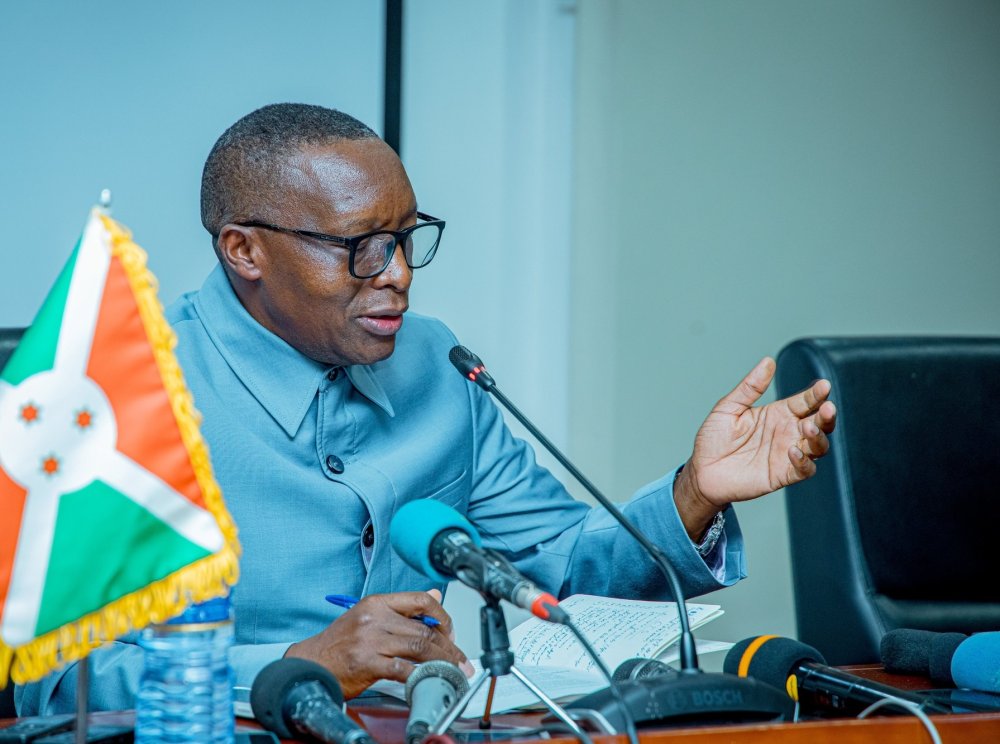

During Russian Foreign Minister Sergey Lavrov’s visit to Bujumbura on July 10, 2026, Burundi’s Foreign Minister Édouard Bizimana emphasized that his country supports African‑led dialogue to resolve insecurity in eastern Democratic Republic of Congo (DRC). He stressed that Africa should take ownership of its peace processes rather than relying on external solutions.
Bizimana declared: “We agreed to continue dialogue and strengthen cooperation between our countries so that conflicts are resolved peacefully, as they affect the entire continent.” Lavrov echoed this, stating that Russia supports the principle that Africa’s problems must be solved by Africans.
Despite its rhetoric, Burundi has deployed troops in South Kivu alongside FARDC, FDLR, and local militias like Wazalendo, fighting against AFC/M23 and MRDP-Twirwaneho. This involvement raises questions about whether Burundi’s actions align with its stated commitment to peace.
Eastern Congo has seen multiple peace initiatives: Nairobi talks led by Kenya, Luanda talks led by Angola, Washington agreements between Rwanda and DRC and Doha talks mediated by Qatar
Yet violence persists, largely due to failures in implementing agreements rather than a lack of dialogue.
Burundi’s strained relations with Rwanda complicate its regional role: Accusations against Rwanda after the 2015 coup attempt against Pierre Nkurunziza. Border closures in January 2024 following allegations of Rwanda’s support for RED Tabara
President Évariste Ndayishimiye’s repeated threats against Rwanda, including claims in 2025 that attacking Kigali would be “easy” from Kirundo
These tensions highlight contradictions between Burundi’s diplomatic messaging and its military actions.
About The Author