Rwanda’s HIV prevalence declines, but youth at risk
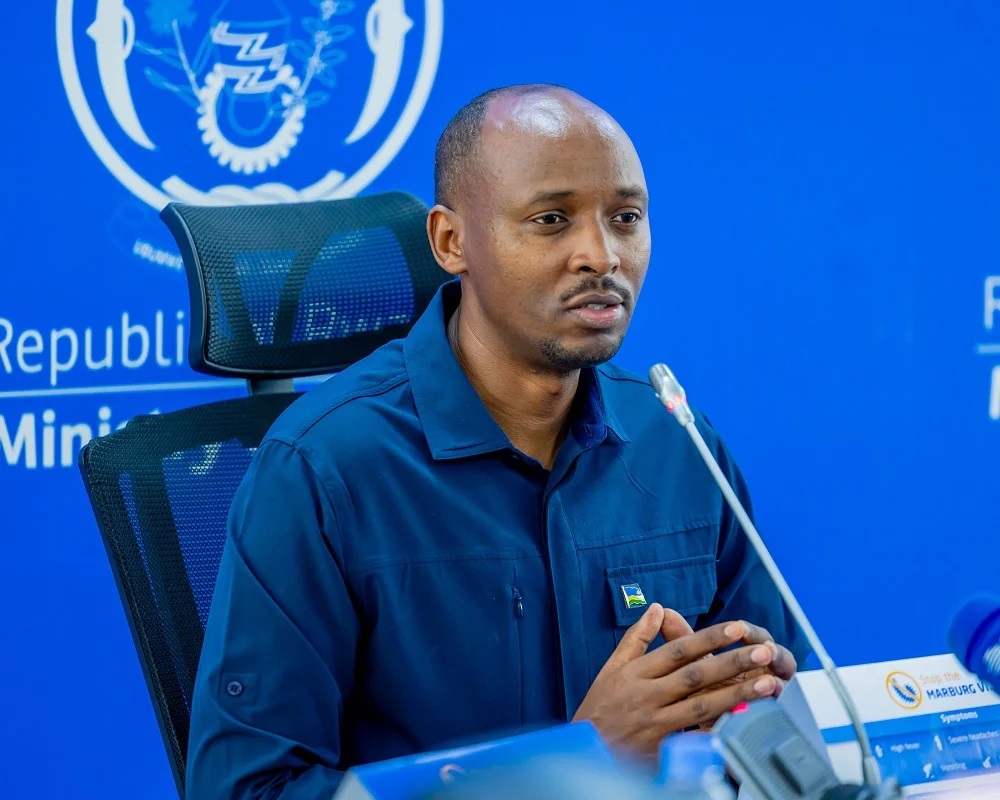

On June 30, 2026, the Ministry of Health, in partnership with the National Institute of Statistics, released findings from the Rwanda Demographic and Health Survey (RDHS). The results showed that HIV prevalence among Rwandans aged 15–49 has dropped to 2.2%, down from 2.7% in 2020.
While this decline of 0.5% is encouraging, Minister of Health Dr. Sabin Nsanzimana clarified that the reduction is linked to age categories surveyed, not solely to fewer new infections.
Dr. Nsanzimana explained that many living with HIV are aging beyond the 49‑year bracket used in the survey, which partly accounts for the lower percentage. He emphasized that new infections have indeed decreased, but the majority of cases remain among those already diagnosed. Advances in treatment have reduced AIDS‑related deaths, allowing more people to live longer with the virus.
The Minister highlighted that Rwanda has achieved the 95-95-95 global target: over 95% of people living with HIV know their status, over 95% are on treatment, and over 95% of those on treatment have suppressed viral loads. This milestone reflects Rwanda’s progress in combating HIV.
However, Dr. Nsanzimana warned that youth remain the most vulnerable group, often due to unprotected sex, alcohol‑related risky behavior, and gender‑based violence. He cautioned that “five, ten, or twenty minutes of unprotected sex can leave someone with a lifetime illness requiring daily medication,” stressing the importance of condoms, which are affordable and widely available.
The report also noted that in 2025, Rwanda had approximately 234,000 people living with HIV, with around 2,500 deaths annually and a similar number of new infections each year. Historically, HIV prevalence surged after the 1994 Genocide against the Tutsi, stabilizing at around 3% for many years before recent declines.
About The Author