
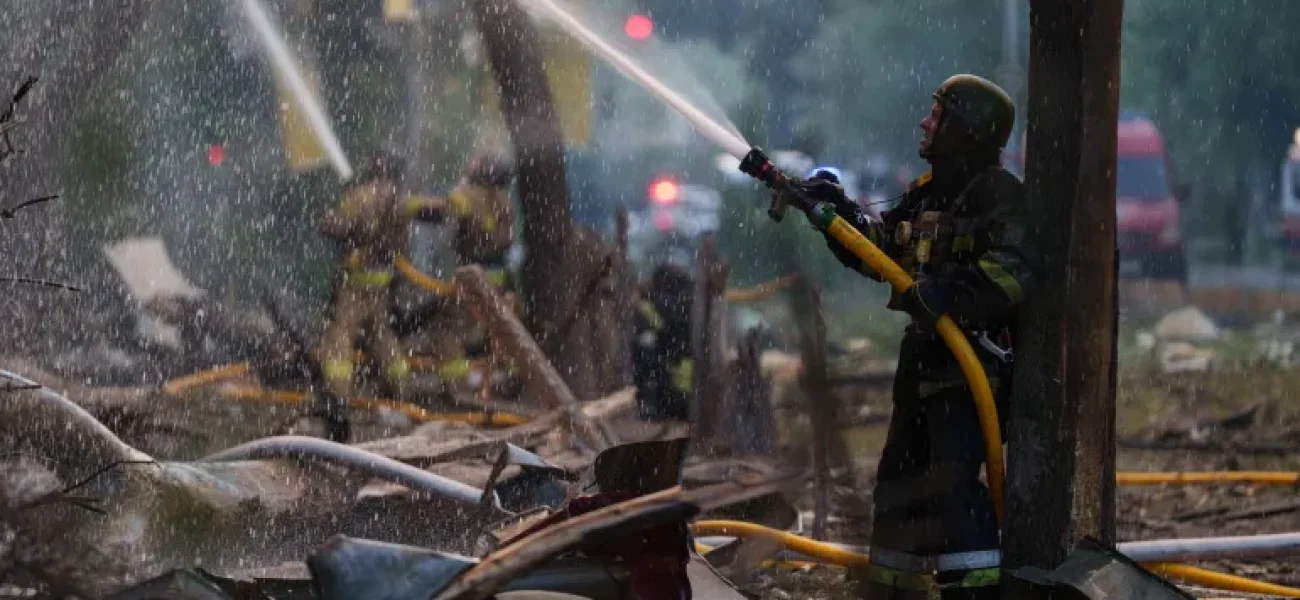
On May 25, 2026, Russia’s Ministry of Defense declared it will launch what it called “planned and consecutive strikes” against military facilities and arms factories in Kyiv, urging all foreigners to leave the city immediately.
Moscow said the decision was a direct response to a Ukrainian drone attack in Starobilsk, Luhansk, the previous week, which killed at least 18 people. Russia accused Ukraine of escalating drone warfare against its energy and military infrastructure, labeling such operations as “terrorism.”
The Foreign Ministry described the Starobilsk incident as “the last straw”, vowing to target drone production and deployment sites across Kyiv.
Civilians were warned to avoid government buildings and military installations.
Foreign diplomats and international organizations were advised to evacuate.
Foreign Minister Sergei Lavrov said he had spoken with U.S. Secretary of State Marco Rubio, urging Washington to withdraw embassy staff from Kyiv before the strikes.
Ukraine denied Russia’s claims, insisting its drones had targeted a special military unit, not a student dormitory as alleged. Foreign Minister Andrii Sybiha urged allies not to fall into what he called Russia’s “terror and pressure tactics.”
Russia has intensified missile and drone attacks on Kyiv and surrounding areas. Over the weekend, at least 4 people were killed and 60 injured.
Moscow confirmed the use of its Oreshnik hypersonic missile, capable of carrying nuclear warheads — the third time it has been deployed since the war began four years ago.
In eastern Ukraine, strikes in Kharkiv and Donetsk killed additional civilians on May 25.
President Volodymyr Zelenskyy defended Ukraine’s strikes on Russian oil and military facilities, calling them a justified response after Russian attacks killed 24 people in a Kyiv apartment block.