Bill Gates praises Rwanda’s health and innovation progress


Bill Gates has shared reflections from his week‑long visit to Rwanda, highlighting the country’s progress in health, technology, and community development.
He praised Rwanda’s investment in its people, strong institutions, and effective programs that have transformed lives over the past 25 years.
He noted that since 2000, Rwanda has reduced child mortality under five by 73% and maternal deaths by more than 80%. Nearly all women now give birth assisted by trained health professionals in health centers. Gates emphasized the role of community health workers, describing them as the backbone of primary healthcare, especially in treating malaria where about 60% of cases are managed at the village level.
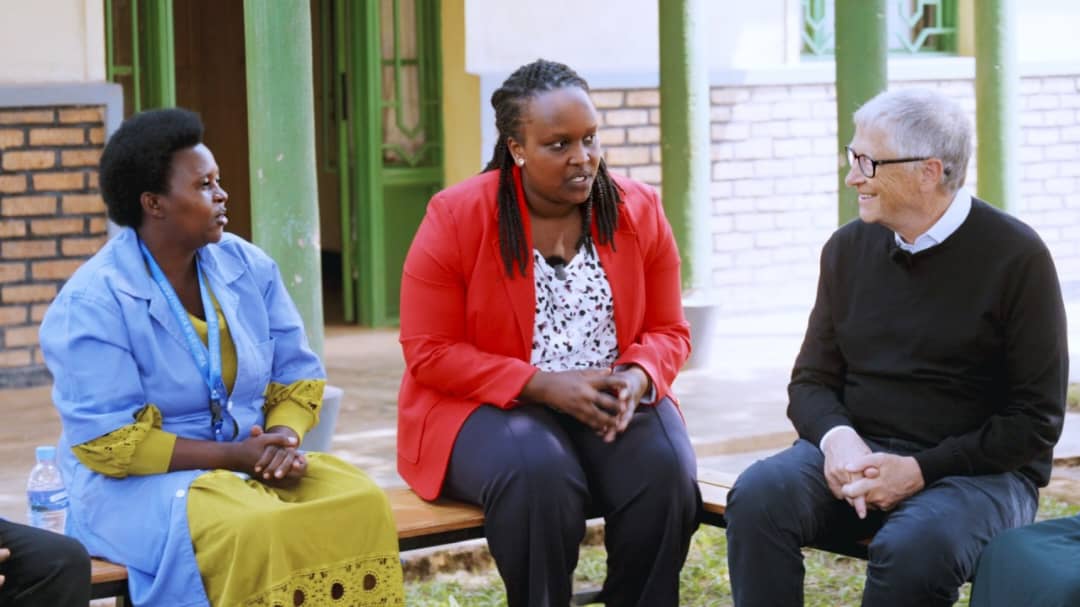
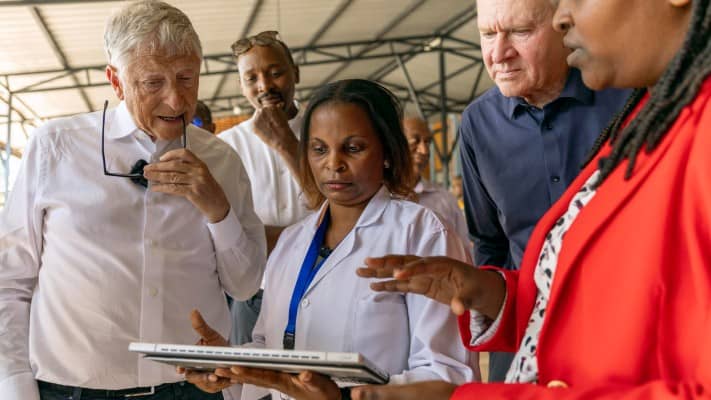
During his trip, Gates visited Mwulire Health Center, which provides maternal care, family planning, immunization, HIV/AIDS and tuberculosis treatment. He was impressed by Rwanda’s National Health Intelligence Center, which collects and analyzes health data to guide decision‑making. He also commended Rwanda’s digital public infrastructure (DPI) for enabling fast, evidence‑based policies.
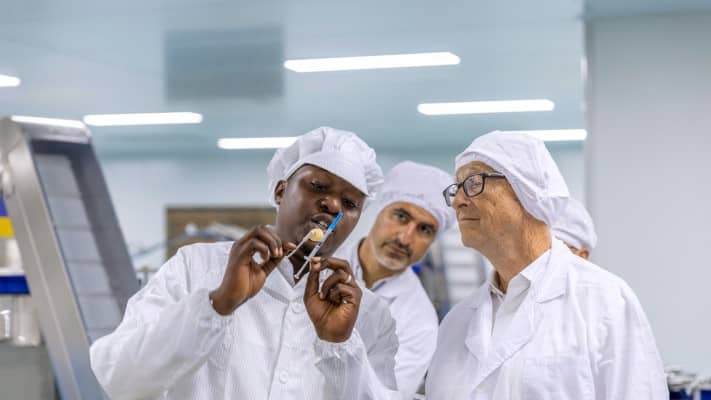
He highlighted the Horizon 1000 project, a partnership between the Gates Foundation and OpenAI, aimed at improving healthcare services through AI in health centers. Gates also toured TKMD Rwanda, a factory producing auto‑disable syringes, underscoring the importance of local medical manufacturing.
In Kigali, he visited the Rwanda AI Scaling Hub, meeting youth innovators working on solutions like Ambucycle (emergency patient transport) and Digital Umuganda (local language data collection for AI). He also praised the University of Global Health Equity in Butaro, where he launched the Butaro Dialogues, engaging medical students from across Africa on the future of public health.
Gates concluded that Rwanda exemplifies how innovation and community‑focused projects drive national progress. He stressed that Africa’s greatest resource is its people, particularly its youth, who hold the potential to transform healthcare and development globally.

About The Author