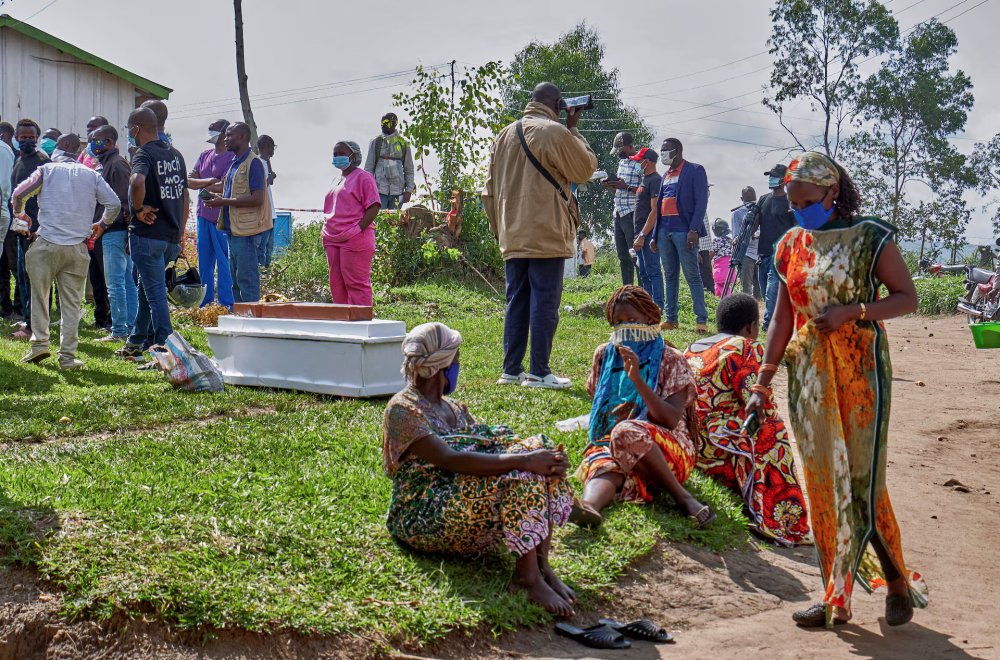
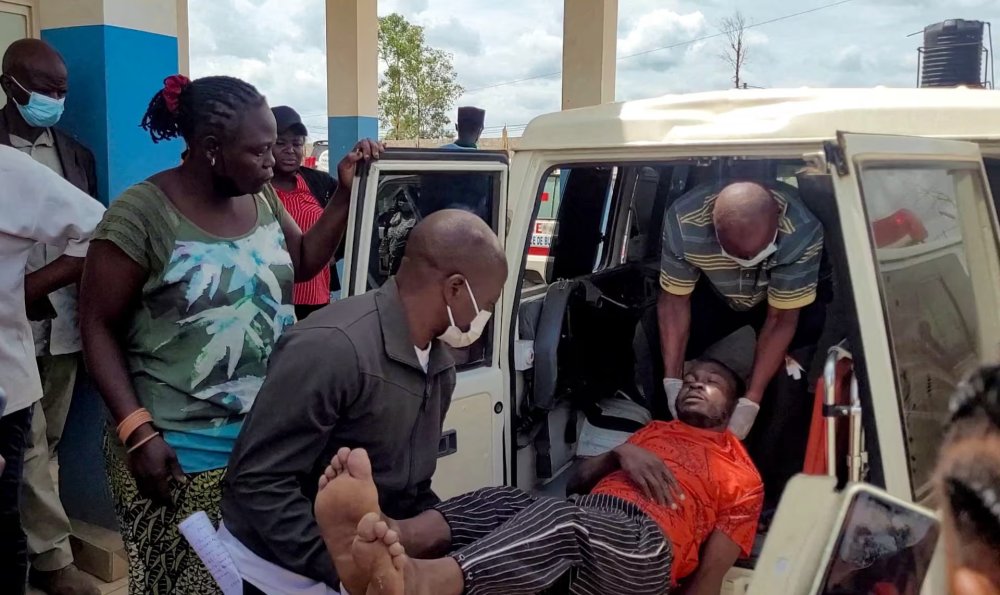
The Ministry of Health in the Democratic Republic of Congo (DRC) announced that as of May 23, 2026, suspected Ebola cases had reached 904, with 101 confirmed infections and 220 deaths.
In Ituri Province, Mongbwalu recorded 339 suspected cases (19 confirmed, 88 deaths), Rwampara reported 228 suspected (32 confirmed, 69 deaths), and Bunia registered 249 suspected (24 confirmed, 48 deaths). These remain the hardest‑hit areas.
In North Kivu, 20 suspected cases were reported, including 7 in Butembo and 13 in Katwa (Lubero Territory). Four of these have been confirmed.
The outbreak has also spread to major cities. In Goma, one confirmed and one suspected case were reported, while in Bukavu, one confirmed case was linked to Kisangani in Tshopo Province.
Uganda’s Ministry of Health confirmed five cases in Kampala, three of them Congolese nationals who had recently traveled from DRC. One patient died, while another recovered after treatment.
The World Health Organization (WHO) warned that neighboring countries face high risk. Rwanda has tightened border controls: since May 22, anyone who visited DRC within 30 days is barred entry. Rwandans and residents returning from DRC must undergo quarantine. As of May 23, Rwanda confirmed no Ebola cases, but urged citizens to remain vigilant.
Ebola is caused by the Ebola virus, often carried by fruit bats. It can spread to humans and primates such as gorillas and chimpanzees. Symptoms appear 2–21 days after infection, including high fever, headache, sore throat, weakness, abdominal pain, vomiting, diarrhea, rash, red eyes, and bleeding.
The Bundibugyo strain currently circulating has a 30–50% fatality rate. There is no cure, but early supportive treatment improves survival chances.