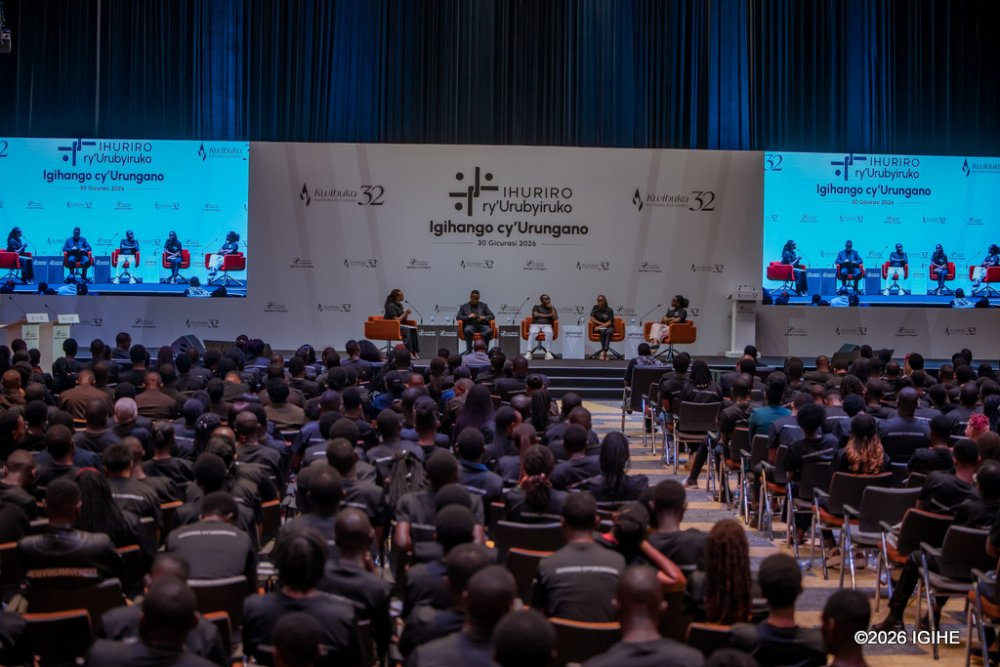
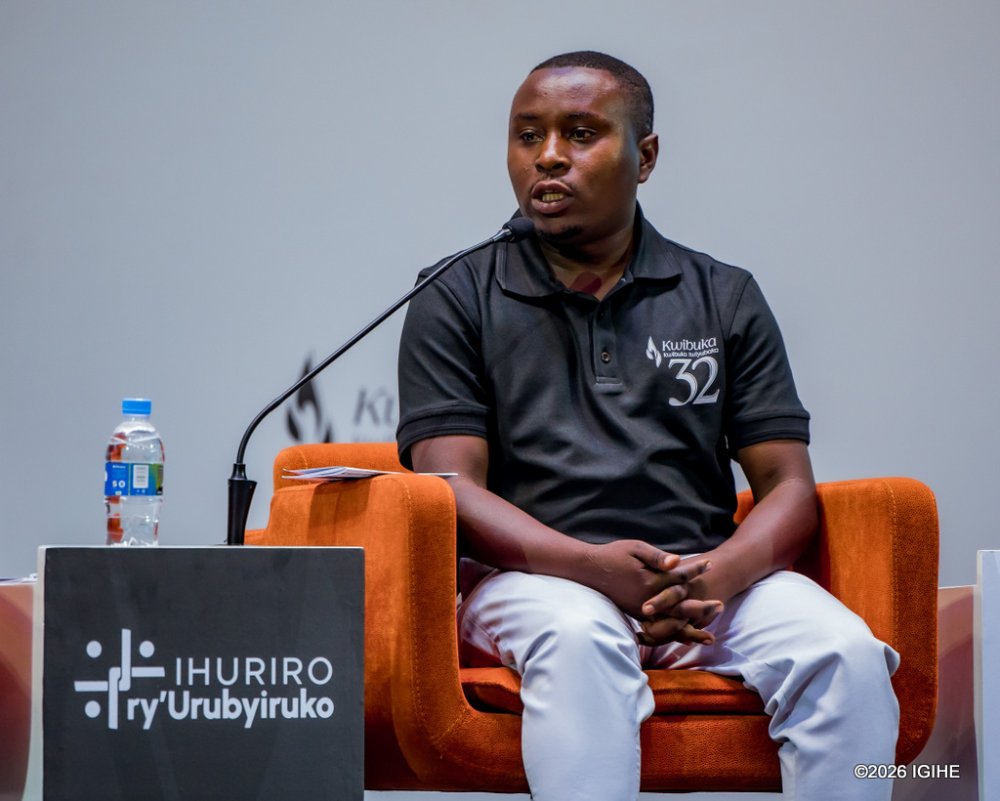
Nkurunziza Patrick, born in the Democratic Republic of Congo in 1997, shared a harrowing account of being forcibly recruited into the FDLR, a violent extremist group founded by perpetrators of the 1994 Genocide against the Tutsi. The FDLR has long operated in eastern DRC, sustaining itself through intimidation, forced recruitment, and exploitation of civilians.
Patrick explained that at just 14 years old, he was abducted in Rutshuru, blindfolded, and taken to the forests of Walikale. There, he endured daily beatings, forced labor, and indoctrination. He was trained to carry weapons and taught hateful ideology aimed at attacking Rwanda and exterminating Tutsi. He recalled: “I was given a gun at 14, even though I couldn’t handle it. They told us to fight Rwanda and destroy the Tutsi.”
Life in the FDLR meant survival through violence—stealing food from villagers, abusing civilians, and living under constant fear. Contrary to the perception that FDLR is composed mainly of aging fighters, Patrick revealed that many young recruits like him were trapped in this cycle of violence.
After six months, Patrick began to dream of escape. In 2010, at age 15, he risked his life to flee. Together with a friend, he fought through threats from fellow fighters who wanted to kill them as an example to others. Eventually, they reached MONUSCO, the UN mission in Congo, which offered them protection.
Tragically, Patrick later learned that his parents had been killed by FDLR as punishment for his defection. Despite the devastating loss, he pressed on and crossed into Rwanda through Rusizi. He vividly remembers the contrast: “I saw Rwandans happy, healthy, and welcoming. Leaders received me with love, speaking Kinyarwanda. It was a new life.”