
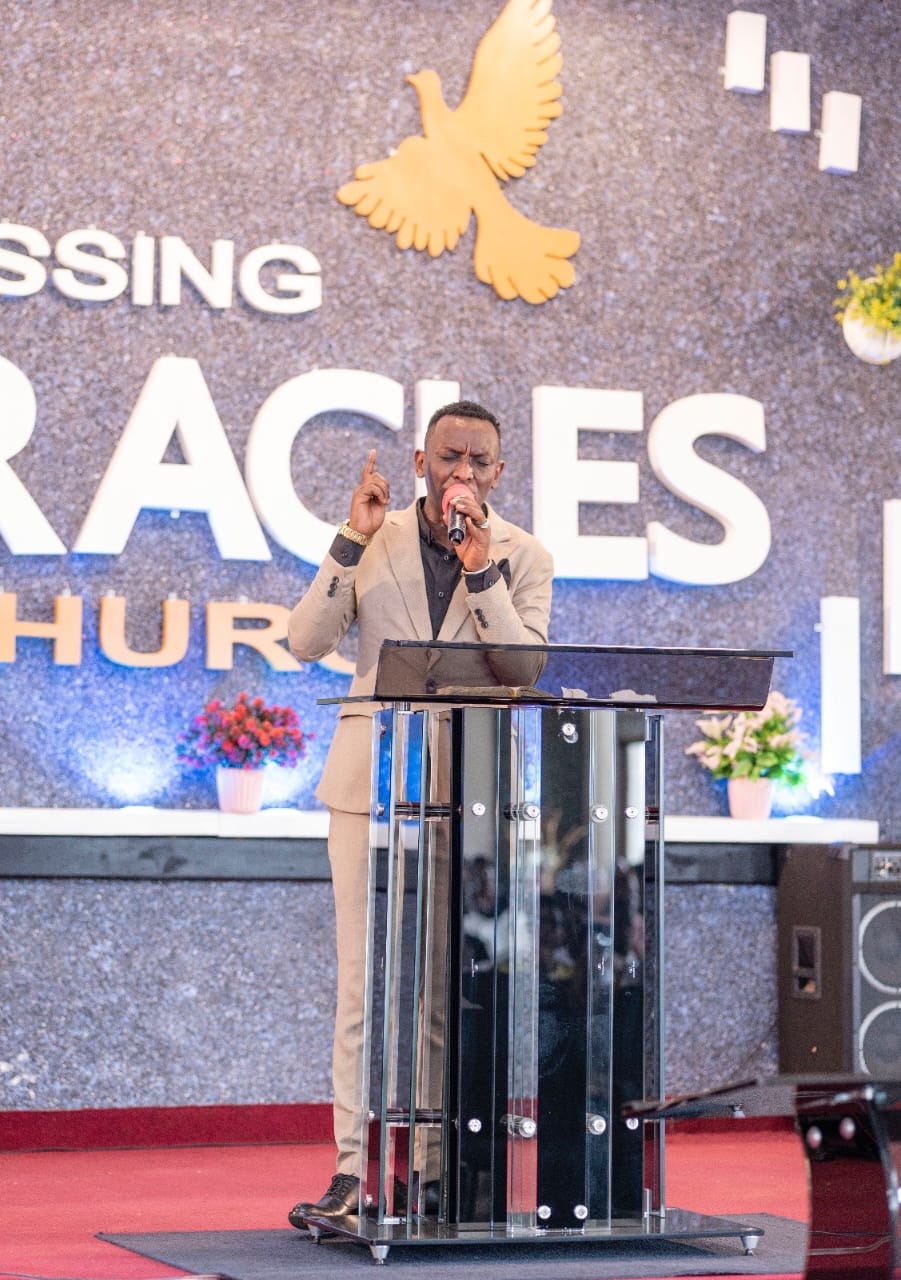
In 2024, the Government of Rwanda, through the Rwanda Governance Board (RGB), announced the closure of thousands of churches and mosques that failed to meet legal and governance standards.
RGB inspections revealed serious issues, including false teachings, fraud aimed at exploiting worshippers, lack of transparency, poor financial management, leadership disputes, and unsafe buildings. The closures did not mean worship was banned; rather, congregations were required to continue their activities in compliance with the law.
Many congregations unable to reopen immediately turned to digital platforms such as Zoom, Google Meeting, YouTube, and TikTok. This allowed worshippers to maintain fellowship, but participation dropped significantly. For example, a congregation of 200 could shrink to around 70 online due to limited access to smartphones and internet.
Pastor Dany Mutangana of the United Christian Family Initiative explained that genuine worship continued, but online platforms also opened doors to abuse. Some individuals posed as pastors to solicit money or exploit believers. Trust in religious leadership declined as unregistered figures proliferated on social media.
Despite challenges, online services often followed traditional formats: opening prayers, worship and singing, sermon delivery, intercessory prayers, and offerings. Yet, Pastor Mutangana noted that confidence in religious leaders has weakened because of fraud and impersonation.
By November 2025, RGB reported that 9,171 churches and mosques remained closed. Authorities indicated that some could reopen once they met requirements, but stressed the need for vigilance against misuse of digital worship spaces.