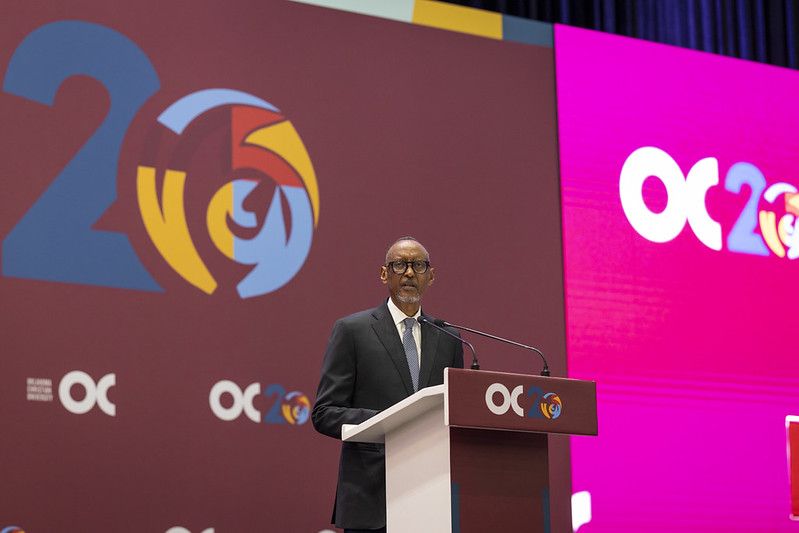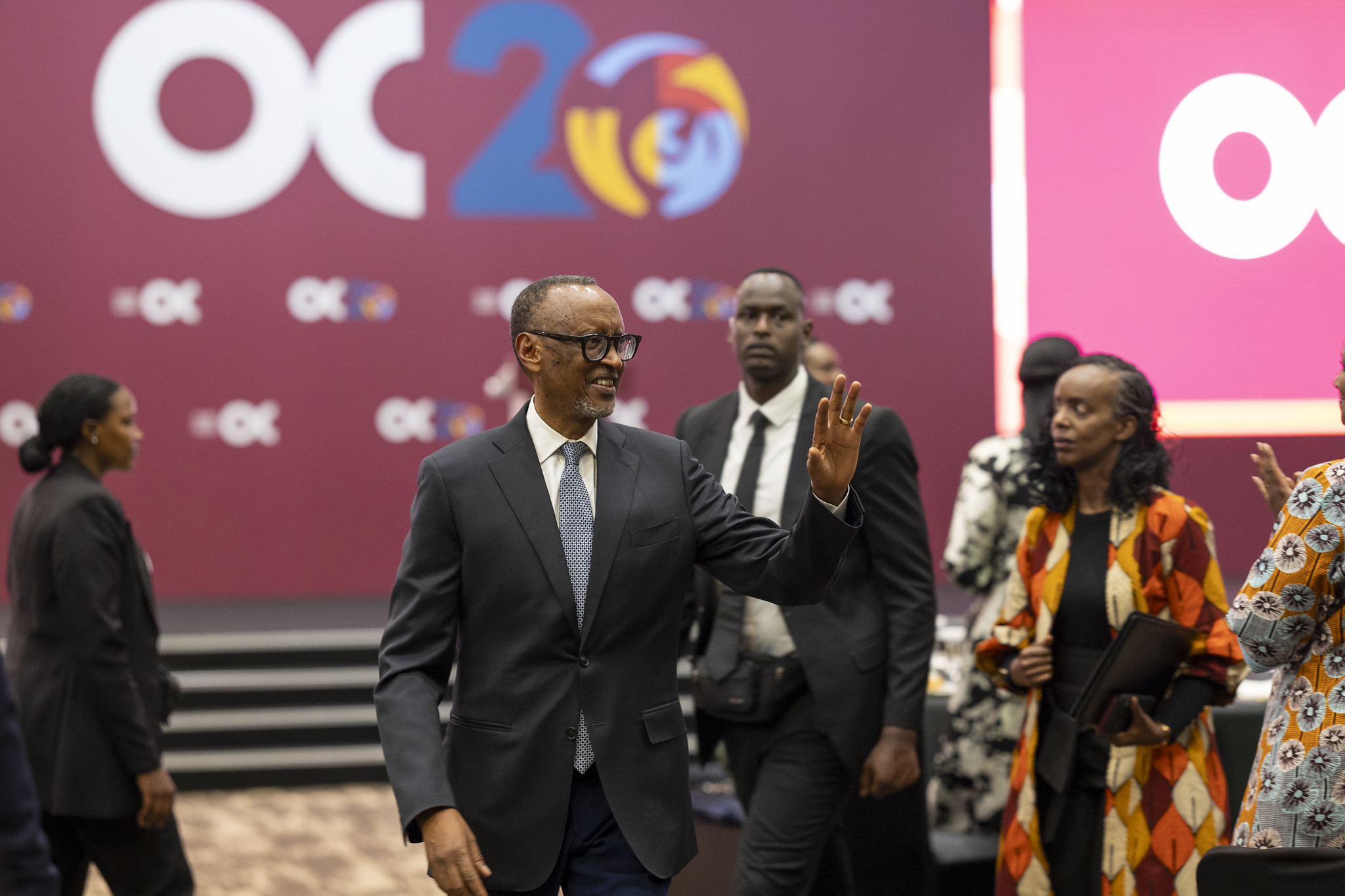
On 19 May 2026, Rwanda signed a new nuclear technology cooperation agreement with Russia during an international innovation summit on nuclear energy held in Kigali. This marks a significant step in Rwanda’s ambition to advance scientific research, medical applications, and modern technology.
The agreement includes collaboration in nuclear medicine to improve healthcare, training programs for Rwandan students and specialists, and joint research projects that could lead to the establishment of a national nuclear science and technology center. Rwanda is also exploring the use of Small Modular Reactors (SMRs) as part of its future energy solutions.
Government spokesperson Yolande Makolo explained that Rwanda is conducting feasibility studies for both a nuclear science center and SMR projects. She emphasized that Rwanda is not relying on one partner alone, pointing out that the country has also signed nuclear cooperation agreements with the United States, South Africa, and Austria.
To build human capacity, several Rwandan students have already been sent to Russia to study nuclear engineering and technology. The aim is to create a pool of local experts who will lead Rwanda’s nuclear projects in the future.
Analysts note that African nations are increasingly diversifying partnerships beyond traditional Western allies. Prof. Macharia Munene, a diplomacy expert, observed that Russia offers training and investment without imposing heavy political conditions. Meanwhile, China, the U.S., and Europe continue competing for influence in Africa. Rwanda’s approach is to work with all sides to maximize development benefits.
Although nuclear projects require years of preparation and significant investment, Rwanda’s move signals a long-term vision to strengthen scientific research, improve healthcare through nuclear medicine, and train a new generation of Rwandan nuclear experts. Ultimately, Rwanda aims to position itself as a regional hub for innovation in East Africa.