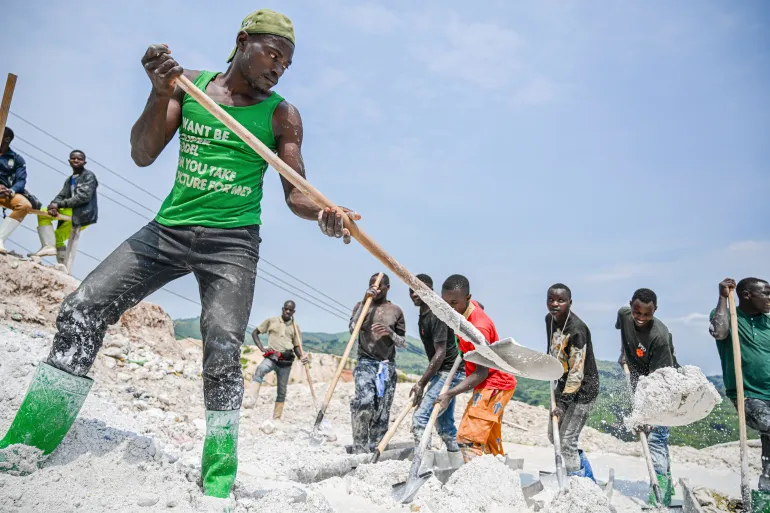
In the ongoing war in eastern DRC between Kinshasa and AFC/M23, one name dominates international attention: Rubaya. This mining zone in North Kivu has become the focal point of global competition for critical minerals.
Rubaya is among the richest coltan deposits in the world. Coltan produces tantalum, a rare metal essential for modern technology. It powers smartphones, computers, drones, missiles, AI hardware, aircraft components, and semiconductors. Reports suggest Rubaya alone supplies about 15% of global coltan, with tantalum content ranging between 20–40%, making it one of the most strategic mineral sites worldwide.
U.S. vs China: The Mineral Cold War
For over 15 years, China has dominated Congo’s mining sector, especially in cobalt, lithium, and coltan. The United States fears over‑dependence on Chinese supply chains for critical minerals. Washington is now pushing a “critical minerals security” strategy, aiming to secure resources like Rubaya to sustain its semiconductor and defense industries. Reuters reports that American companies are already showing strong interest in Rubaya.
Since 2024, Rubaya has been under M23 control. Kinshasa and international observers argue that revenues from Rubaya fuel M23’s military strength. M23 counters that its control is political leverage, not just economic exploitation. For Kinshasa, offering Rubaya to U.S. investors is a diplomatic card to secure Washington’s support in regaining control.
Kinshasa: Uses Rubaya to attract U.S. backing, hoping for diplomatic, intelligence, and military support.
M23: Sees Rubaya as bargaining power in negotiations, warning Kinshasa against “selling what it doesn’t control.”
U.S.: Seeks secure access to tantalum for tech and defense industries.
China: Watches closely, wary of losing ground in Congo’s mineral sector.